
7-day Andalusia road trip: detailed itinerary and realistic budget
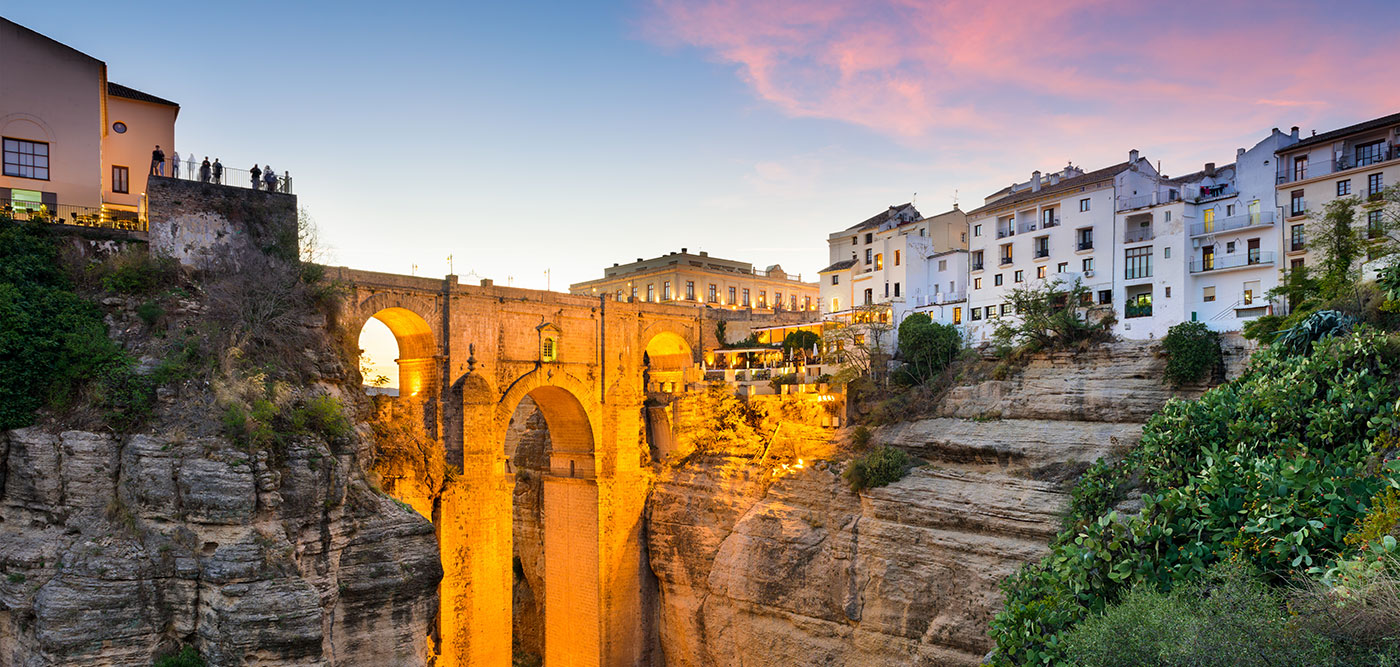
This 7-day Andalusia road trip is designed for a first discovery of the region: major cities, scenic roads, white villages, and a softer ending. The goal is not to see everything, but to keep the route coherent, enjoyable, and realistic over one week.
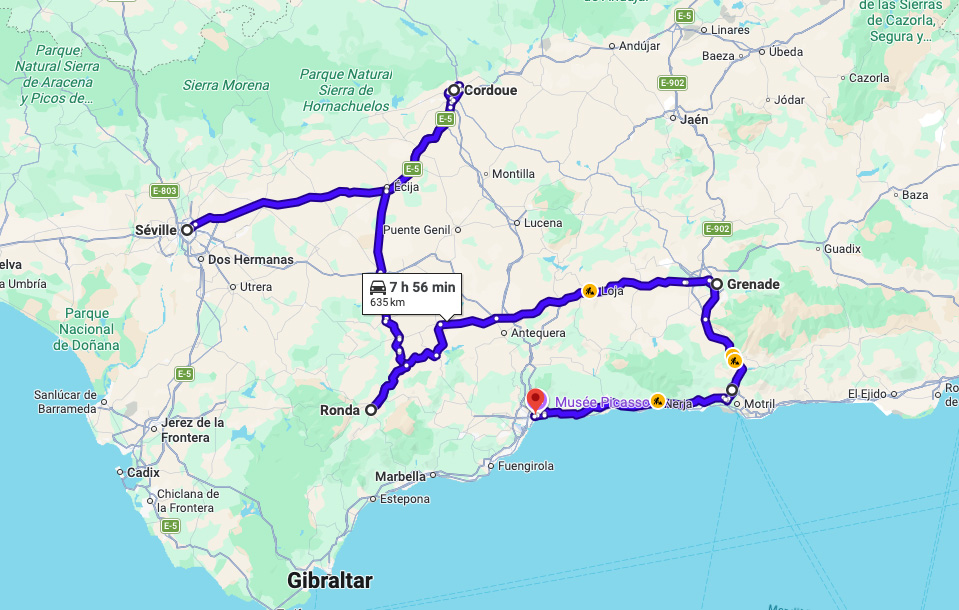
1. Andalusia at a glance: when to go, how long to stay, and how to plan ☀️
For one week on the ground, Andalusia works very well as a compact road trip. The weather, the reasonable distances between major cities, and the variety of landscapes make it possible to build a dense route without turning it into an exhausting rush.
Spring and autumn are usually the most comfortable periods. From March to June, then again from September to November, days are still long and temperatures are easier to manage for city visits. In summer, the heat can become a real source of fatigue, especially in Seville and Cordoba.
Over 7 days, the key is not to overload the route. A first trip works best when it follows a clear sequence: major cities first, then a more scenic stretch through Ronda and the white villages, before ending in Granada and possibly Malaga.
A car remains the easiest option overall. Still, it makes sense to delay pickup until after the first days in Seville so you avoid dealing with traffic and parking in the historic center.
2. Days 1 and 2: start with Seville at a manageable pace 💃
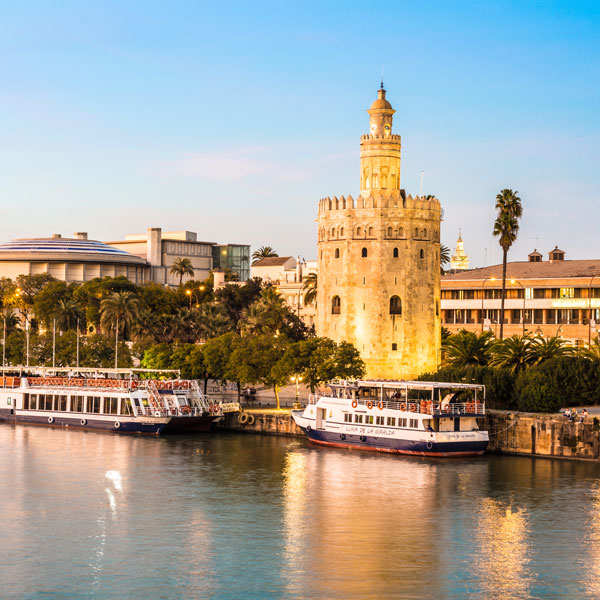
Seville is an excellent starting point. The city is easy to explore on foot and lets you begin the trip without a car. Over two days, you can balance major landmarks with slower wandering, which is the best way to enter the Andalusian rhythm without rushing.
The first day can stay more open: Santa Cruz, shaded squares, colorful facades, and a first walk toward the Guadalquivir already create a strong first impression.
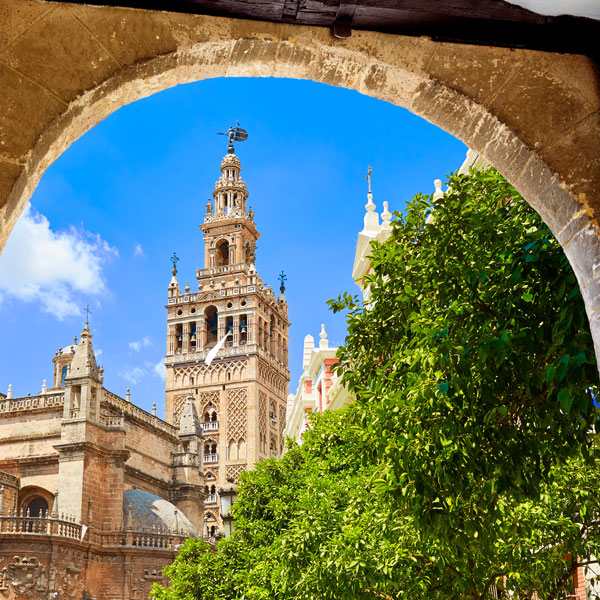
The second day can be more structured around the Alcazar, cathedral, Giralda, and Plaza de España. These visits should be planned early in the day, both to avoid the heat and to reduce queues.
Seville is also one of those cities that deserves flexibility in the evening. Tapas, lively streets, and possibly flamenco make it a strong opening chapter for the whole road trip.
3. Day 3: stop in Cordoba before moving further south 🕌
Cordoba is a short but very high-value stop. It fits naturally into the route and creates a different mood after Seville. The city is smaller, easier to read, and delivers a lot in a single day.
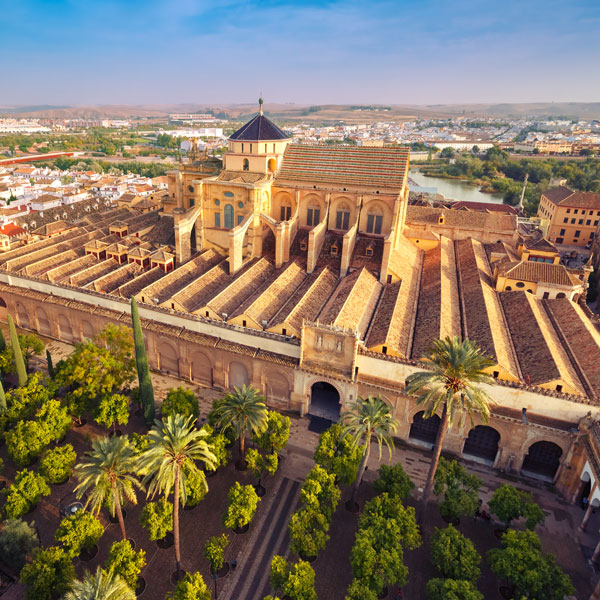
The mosque-cathedral remains the central visit and easily justifies the stop on its own. Around it, the Juderia, narrow old streets, and the Roman bridge complete the day without making the program too heavy.
Within a 7-day route, Cordoba plays an important structural role. It acts as a smooth transition between the very urban opening of the trip and the more road-focused stretch that follows.
The point is not to overinvest time here, but to give the city enough room. One well-planned day is enough to cover the essentials while preserving energy for the rest of the journey.
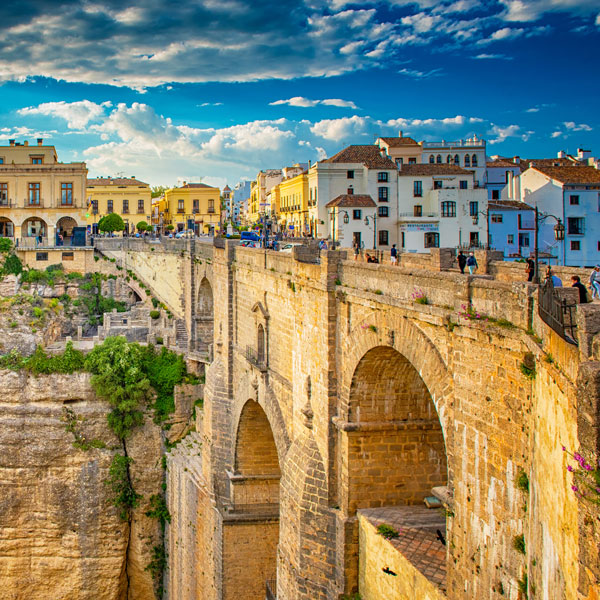
4. Day 4: add Ronda for the most scenic part of the route 🌄
Ronda immediately reveals a different side of Andalusia. After the major historical cities, the landscape becomes more rugged and dramatic, which gives the road trip its real scenic identity.
The city itself is not complicated to explore, but its strength lies in its setting around the canyon and the Puente Nuevo. It is a stop that works as much for the approach and the views as for the actual visit.
On a one-week route, Ronda also prevents the trip from feeling too urban. It adds breathing space and reinforces the sense of progression that makes a road trip satisfying: you are not only linking cities, you are crossing landscapes.
The day should stay readable. Ronda works better as a strong scenic stop with real time on site than as a rushed photo break squeezed between longer drives.
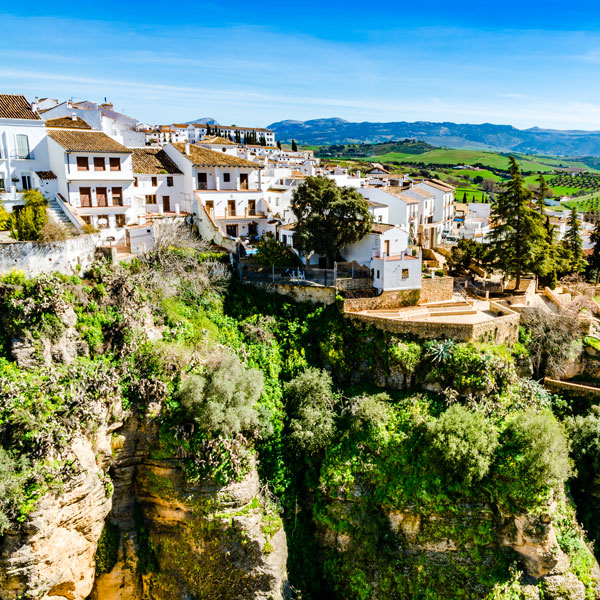
5. Day 5: white villages and the drive toward Granada 🚗
The white villages give the route its most distinctive character. This is where the itinerary moves away from the major cities and into a more rural, visual, and slower Andalusia.
The main mistake would be trying to see too many places in one day. It is more effective to choose one or two villages, such as Zahara de la Sierra, Olvera, or Setenil de las Bodegas, and actually spend time there.
This stage works especially well in road-trip format because it mixes secondary roads, viewpoints, slower lunches, and a stronger feeling of traversing the region rather than simply ticking destinations off a list.
Reaching Granada in the evening closes this scenic part neatly. A first walk through the city or toward the Albaicin is enough to shift mood and prepare for the major visit day ahead.
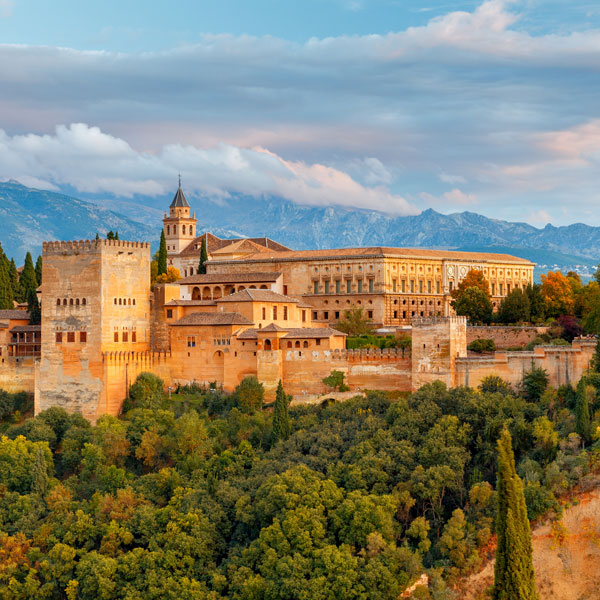
6. Day 6: give Granada a full day 🏰
Granada deserves a full day. Reducing it to a quick Alhambra visit would undersell the city, even if the palace complex is obviously the main draw and needs to be booked in advance.
The Alhambra and Generalife gardens already structure a large part of the day if you want to experience them properly. That should be reflected in the overall pace of the trip.
Beyond that, the Albaicin gives Granada much of its depth. The district, its narrow streets, and its viewpoints transform the end of the day into a real conclusion. The San Nicolás viewpoint remains one of the strongest closing moments of the whole route.
Granada works especially well as one of the final major stops because it combines atmosphere, heritage, and topography. The trip ends on something dense and memorable rather than on another simple transfer day.
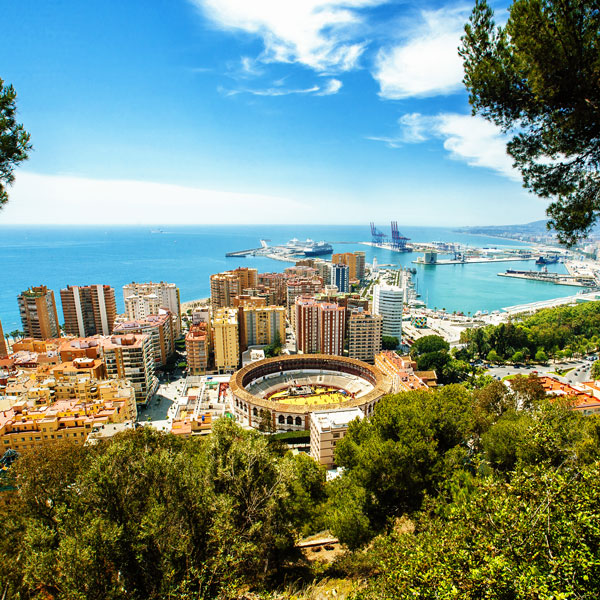
7. Day 7: finish in Malaga, or simplify the end of the route 🌊
For the final day, Malaga is a logical exit point if you want to drop the car in another city and end the trip in a more relaxed setting. It creates a softer transition between the road and the return home.
That said, it is not mandatory. Depending on flight schedules, rental costs, or overall fatigue, it may be smarter to stay longer in Granada or simplify the route back rather than add another city just for the sake of it.
If Malaga fits your logistics, it works well as a final breath: seafront, historic center, and a lighter pace after several denser days.
What matters most is coherence. On a 7-day trip, success often depends less on the number of stops than on the ability to keep the final day realistic.
8. What budget should you expect for 7 days in Andalusia? 💰
For a 7-day road trip, the budget mostly depends on three variables: season, comfort level, and how early you book. Flights, car rental, and accommodation create most of the gap between a tighter trip and a more comfortable one.
For two travelers sharing the main costs, a realistic range is around 500 to 825 euros per person for one week. That figure can rise quickly if you travel during peak periods, choose more premium hotels, or book late.
Tickets for major sites such as the Alhambra or Seville's flagship monuments should also be included early in the planning stage. They are not always the largest budget lines, but they often create the biggest frustration when overlooked.
The real priority is therefore not to chase one perfect number, but to define a clear frame from the start: accommodation range, comfort level, acceptable driving time, and truly priority visits. That is what keeps the route realistic from beginning to end.
For a first discovery of the region, this 7-day Andalusia road trip is a strong base: major cities, scenic drives, and a few more characteristic stops without making the route too heavy. From there, the right adjustments depend on your rhythm, your budget, and your arrival or departure city.
To turn this Spain itinerary into a real group trip, WeTrips helps everyone compare stops, align on budget, and keep the final plan clear in one place.