
New Zealand Travel Guide: Best Time, Places, and Tips
A comprehensive guide to optimizing your New Zealand trip, covering peak seasons, iconic sights, cost-saving strategies, and practical travel tips.
1. 🌿 Best Time to Visit New Zealand
New Zealand's weather varies by region, with summer (December–February) offering ideal conditions for hiking and water activities in the North Island. Winter (June–August) is perfect for skiing in the South Island's mountains.
Consider local festivals like the Queenstown Winter Festival (June) or the Auckland Festival of the Arts (September) to experience cultural events. Avoid peak season (December–March) for lower prices and fewer crowds.

2. 🏞️ Must-See Attractions and Experiences
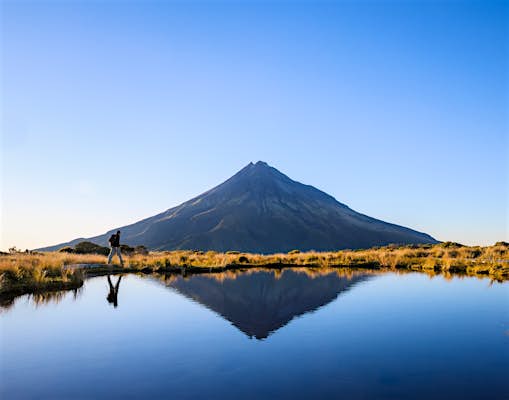
The Southern Alps, Fiordland National Park, and Abel Tasman National Park are must-visit for their dramatic landscapes. Don't miss the Tongariro Alpine Crossing or the Milford Sound cruise.
For adventure seekers, bungee jumping in Queenstown, skydiving over Rotorua, or hiking the West Coast Track offer unforgettable experiences. Cultural sites like Rotorua's geothermal parks provide insight into Māori heritage.

3. 💰 Budget Tips for Cost-Effective Travel
Book flights during off-peak months (April–May, September–October) to save up to 40% on airfare. Use Kiwi.com for budget flight deals and consider intercity coach services for cheaper travel.
Opt for budget accommodations like hostels, campsites, or Airbnb rentals. Pack your own food for meals to avoid high dining costs, and use public transport or car rentals with GPS navigation to save on travel expenses.

4. 🚗 Transportation: Getting Around Efficiently
Renting a car is ideal for exploring remote areas, but be aware of road conditions and fuel costs. Use apps like Google Maps for real-time traffic updates and route planning.
For shorter distances, buses and trains (like the TranzAlpine) offer scenic routes and lower costs. Consider regional passes like the i-Site Pass for unlimited travel within a specific area.

5. 🏨 Accommodation: Where to Stay
Choose between luxury lodges in Queenstown, budget hostels in Auckland, or eco-friendly campsites in Abel Tasman. Booking platforms like Booking.com or Airbnb provide flexible options for different budgets.
For solo travelers, hostels with shared dorms are cost-effective. Families may prefer self-catering apartments, while couples might enjoy boutique hotels in coastal towns like Paihia or Dunedin.

6. 🗺️ Itinerary Planning: How to Organize Your Trip
Start with a 10–14 day itinerary, balancing adventure and relaxation. Prioritize regions like the North Island for geothermal wonders and the South Island for hiking and lakes.
Use tools like Google Trips to map out daily activities, including guided tours, wildlife encounters, and cultural experiences. Allow buffer days for unexpected delays or spontaneous exploration.
7. 🧳 Logistics: What to Pack and Prepare
Pack lightweight layers for variable weather, waterproof gear for hikes, and a reusable water bottle. Include a travel adapter for New Zealand's 240V outlets and a portable charger for digital navigation.
Research local customs, such as respecting Māori cultural sites, and download offline maps for areas with limited internet. Check visa requirements and health advisories before departure.
**Plan your New Zealand adventure with WeTrips**—our platform helps groups book seamless itineraries, compare prices, and manage logistics for stress-free travel.
To plan your next group destination more easily, WeTrips helps centralize options, budget, and trip decisions in one place.