
A Guide to Traveling in Wales

Wales offers a unique blend of natural beauty, history, and culture. Explore top attractions, optimize your itinerary, and save money with expert advice.
1. 🏰 Must-See Attractions in Wales
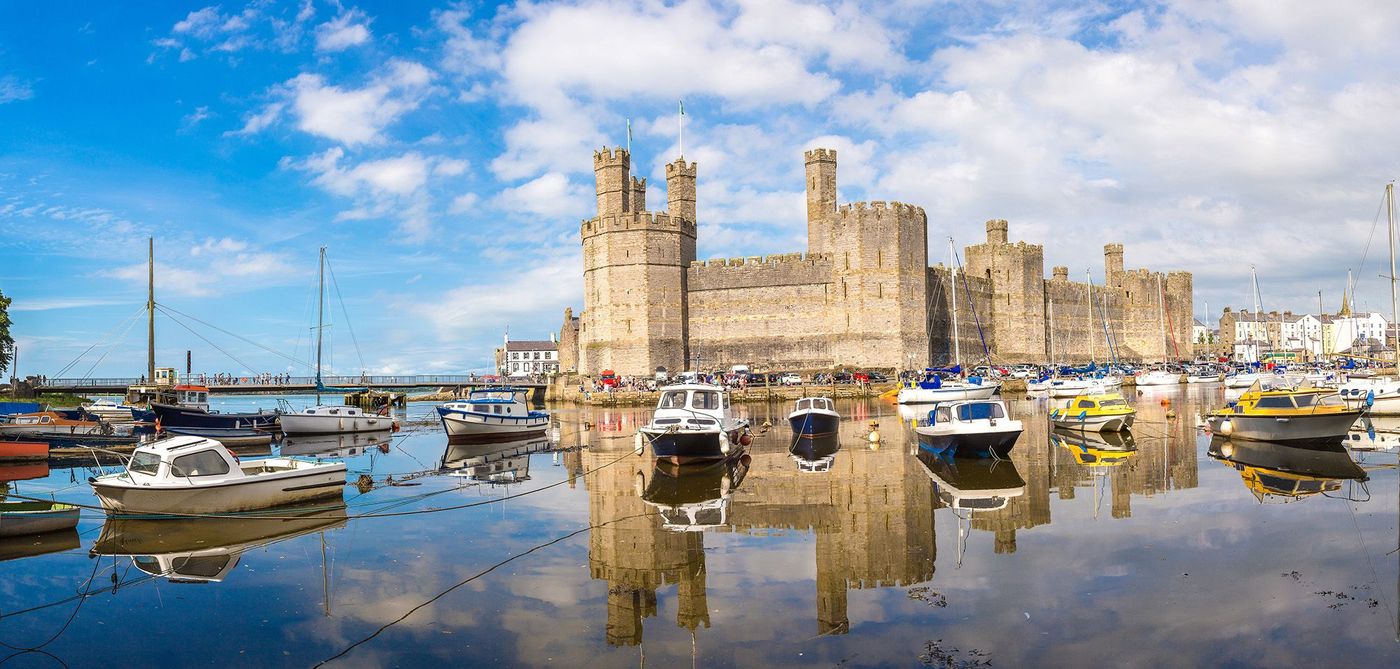
Wales is a treasure trove of historical landmarks, including the iconic castles of Caernarfon and Conwy. These UNESCO World Heritage Sites showcase medieval architecture and royal history. Don’t miss the dramatic coastline of Pembrokeshire, where golden sands meet jagged cliffs.
For nature lovers, the Brecon Beacons National Park offers hiking trails through lush valleys and mountain peaks. The Snowdonia National Park is perfect for those seeking alpine landscapes and glacial valleys. Visit the vibrant city of Cardiff to explore its mix of modern and historic sites, including the Cardiff Castle and the Welsh National Museum.
2. 🚆 Transportation and Logistics
Wales has an efficient public transport network, including trains and buses. The Welsh Government’s rail system connects major cities like Cardiff, Swansea, and Aberystwyth. Consider purchasing a rail pass for flexibility, especially if you’re traveling between coastal towns and inland areas.
Renting a car is ideal for exploring remote regions, but be mindful of narrow roads and limited parking in historic towns. Use apps like Google Maps to navigate, and plan your routes in advance. For short distances, walking or cycling is a great way to experience local culture and scenery.

3. 💰 Budgeting and Cost-Saving Tips
Accommodations in Wales range from budget hostels to luxury hotels. Book in advance for better rates, especially during peak seasons. Airbnb options in coastal towns offer unique stays with ocean views. Look for discounts on train tickets and consider traveling during off-peak months to save on lodging and dining.
Dining locally is affordable and delicious. Try traditional Welsh dishes like cawl (a hearty stew) and bara brith (a sweet bread). Many cafes and pubs offer set menus at reasonable prices. Use cash for smaller purchases, as some places may not accept cards.

4. 🏡 Staying in Wales: Accommodations
Choose accommodations based on your travel style. Urban areas like Cardiff and Swansea have a variety of hotels and boutique stays, while rural regions offer farmhouses and cottages. For a unique experience, stay in a converted castle or a seaside cabin.
Book through platforms like Booking.com or Airbnb for reviews and comparisons. Consider staying in a guesthouse for a more local experience. Always check for amenities like Wi-Fi and parking availability, especially in popular tourist areas.

5. 🍽️ Welsh Cuisine and Dining
Welsh cuisine highlights fresh seafood, lamb, and traditional dishes. Visit local markets in Cardiff or Aberystwyth to sample regional specialties. Don’t miss the chance to try Welsh rarebit, a savory cheese spread. Many restaurants offer seasonal menus with locally sourced ingredients.
For budget-friendly meals, opt for pubs serving hearty meals at reasonable prices. Look for places with a “Welsh” menu tag, which often includes dishes like laverbread and cockles. Avoid tourist traps by reading reviews and choosing family-run establishments.
6. 📅 Best Time to Visit and Practical Tips
The ideal time to visit Wales is May to June for pleasant weather and fewer crowds. Summer months (July to August) are perfect for festivals and outdoor activities, though prices may be higher. Winter offers quieter landscapes and festive events, but some attractions may have limited hours.
Pack layers for unpredictable weather, including waterproof clothing. Carry a reusable water bottle and a portable charger. Use the Wales Travel app for real-time transport updates and attraction information. Always check for any local events or closures before planning your itinerary.
**Plan your Wales adventure with WeTrips** to access expert itineraries, budget tools, and real-time travel insights. Start your journey today!
To plan a group trip to Europe more easily, WeTrips helps centralize options, budget, and trip decisions in one place.