
Things to do in Trinidad, Cuba: plazas, music, beach, and day-trip ideas
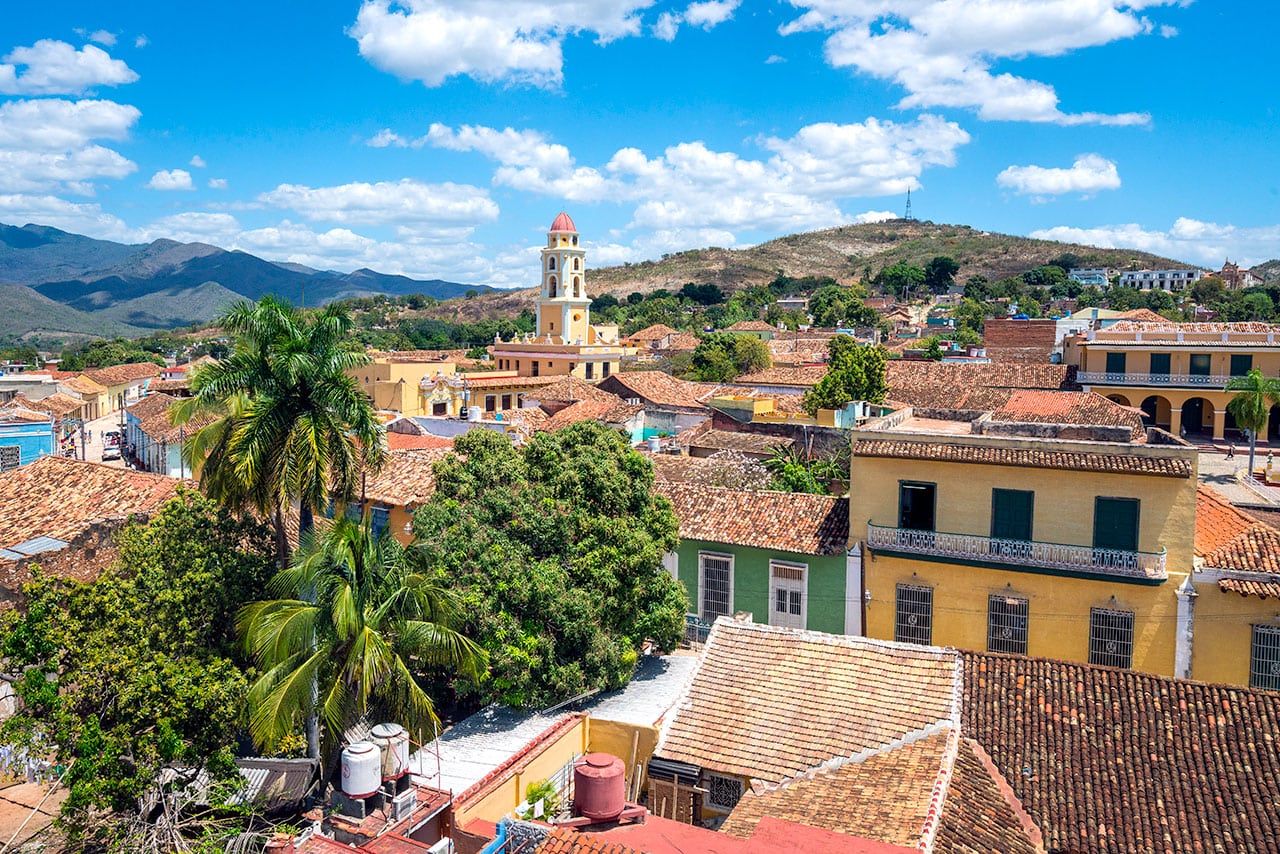
Trinidad is one of those Cuban cities that wins people over immediately with colonial streets, bright colors, and a slower pace. But the value of a stay does not stop at Plaza Mayor. The source article makes it clear that the trip gets much better when you also leave the main square, keep time for music, and look at what surrounds the city.
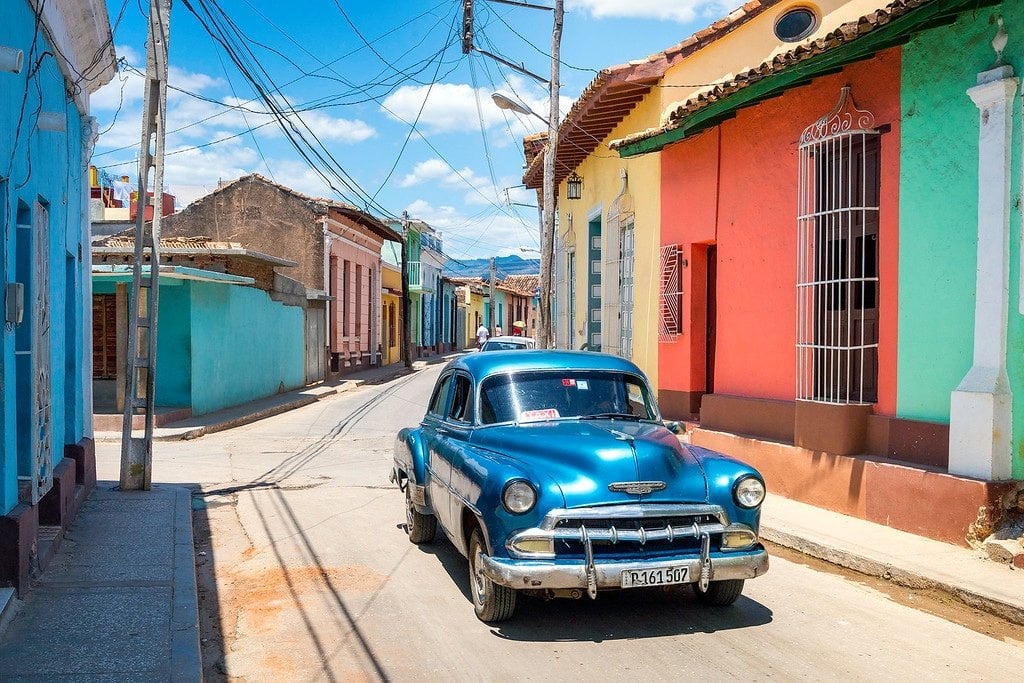
1. 🚕 Start with Trinidad's atmosphere, not just its postcard image
The source article gets the first point right: Trinidad works less as a monument checklist and more as a place you need to feel. Even though it is clearly touristic, it still keeps a very specific Cuban atmosphere made of old cars, bright facades, uneven streets, and a slower everyday rhythm.
It is also bigger than many travelers expect from photos. You can absolutely focus on the historic core, but the stay becomes more interesting as soon as you start walking beyond the obvious center and letting the streets guide you.
That matters because Trinidad should not be reduced to a frozen colonial scene. Much of its appeal comes from the mix of restored architecture, local life, people sitting outside in the shade, and the constant overlap between visual beauty and ordinary daily routines.
Starting with that mindset changes the whole visit. Instead of chasing only the most photogenic corners, you leave room for wandering, slower observation, and the kind of detours that usually become the real memory of the stay.
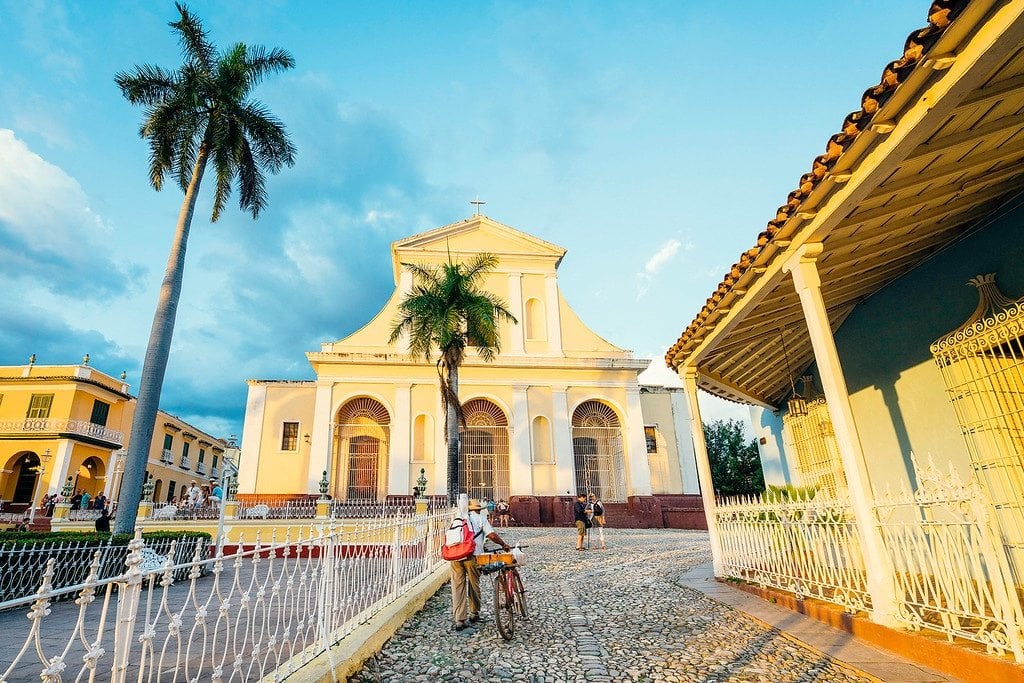
2. 🏛️ Plaza Mayor is still the simplest anchor for a first visit
Plaza Mayor is the obvious starting point, and for good reason. The source describes it as the heart of Trinidad, surrounded by gardens, cobbled streets, churches, and former mansions from the sugar-boom era.
What works here is clarity. In a very compact space, you immediately understand many of Trinidad's visual codes: pastel facades, terracotta roofs, elegant colonial proportions, and a public square that still feels central to the city.
It is also a good place to slow down. Sitting on a bench, listening to nearby music, and watching people move through the square tells you more about Trinidad than a rushed pass through the main photo spots.
The only practical downside is obvious: this is the most touristed part of town. So it works best as a strong anchor point, then as a base for moving outward into quieter streets.
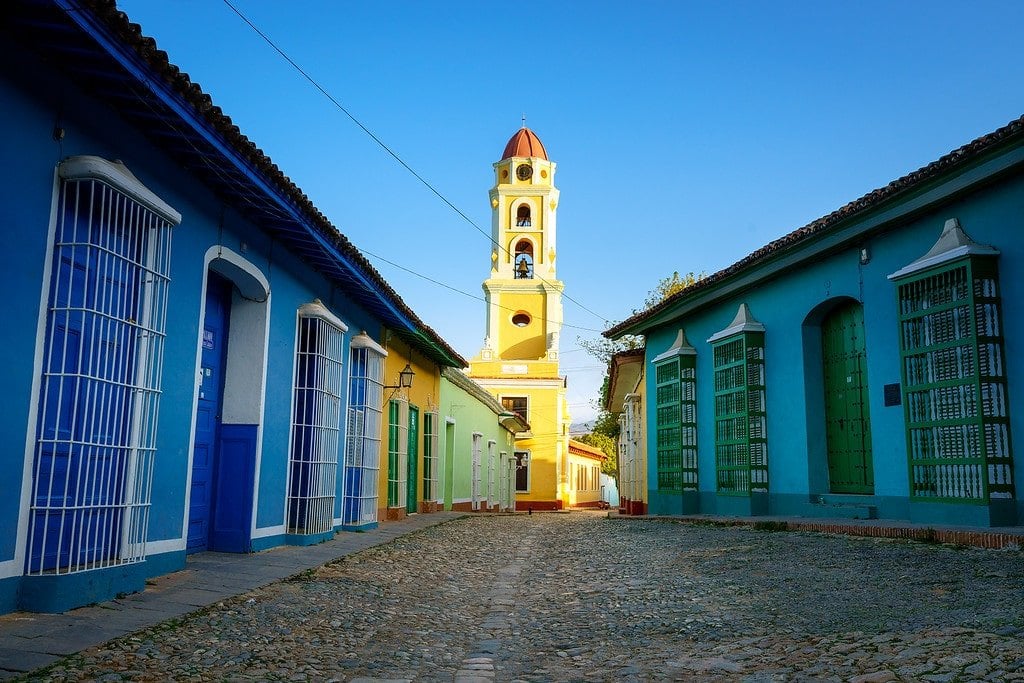
3. 🔔 The yellow bell tower and the museums are worth real time
The yellow tower of Convento de San Francisco de Asis acts almost like Trinidad's visual compass. The source points out that you can see it from many parts of town, which is why it becomes such an easy landmark to build a route around.
The climb is worth doing mainly for the view. From above, the city becomes easier to read: rooftops, street patterns, surrounding hills, and the actual scale of the old center all come together much more clearly.
The museums are also useful as long as you treat them as a way to understand the colonial setting rather than as isolated academic stops. Museo de Arquitectura, Palacio Cantero, and Museo Romantico add real depth to the city's sugar-era story.
So the value here is double: one strong viewpoint and a more concrete reading of the homes, wealth, and social hierarchy that shaped Trinidad. That gives the visit more substance, especially if you only stay a couple of days.
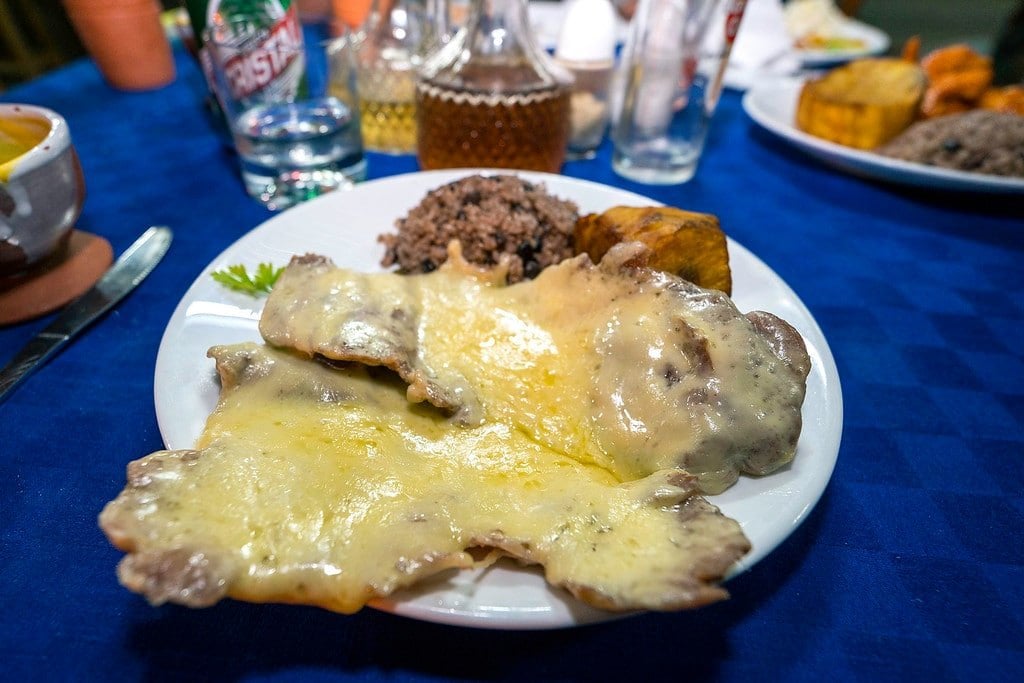
4. 🍹 Food, drinks, and the slower Cuban rhythm
The source is fairly honest about Cuban food in Trinidad. If you are looking for highly spiced or especially complex cuisine, this may not be the strongest stop in the region. Meals often revolve around rice, beans, yuca, and relatively simple meat dishes.
That said, it would be a mistake to dismiss the food experience completely. Trinidad also works through coffee, rum, sugar cane, and the atmosphere around drinks rather than only through the plates themselves. The recommendation to try the canchanchara is a good example of that.
In practice, a lot of the pleasure comes from how breaks are experienced: sitting on a terrace, having a drink late in the day, letting time move a bit more slowly, and matching the city's social rhythm instead of trying to optimize every meal.
If you approach it that way, Trinidad becomes more enjoyable. You are not there for a cutting-edge food scene. You are there for a style of pause, drink culture, and local mood that fits the rest of the city.
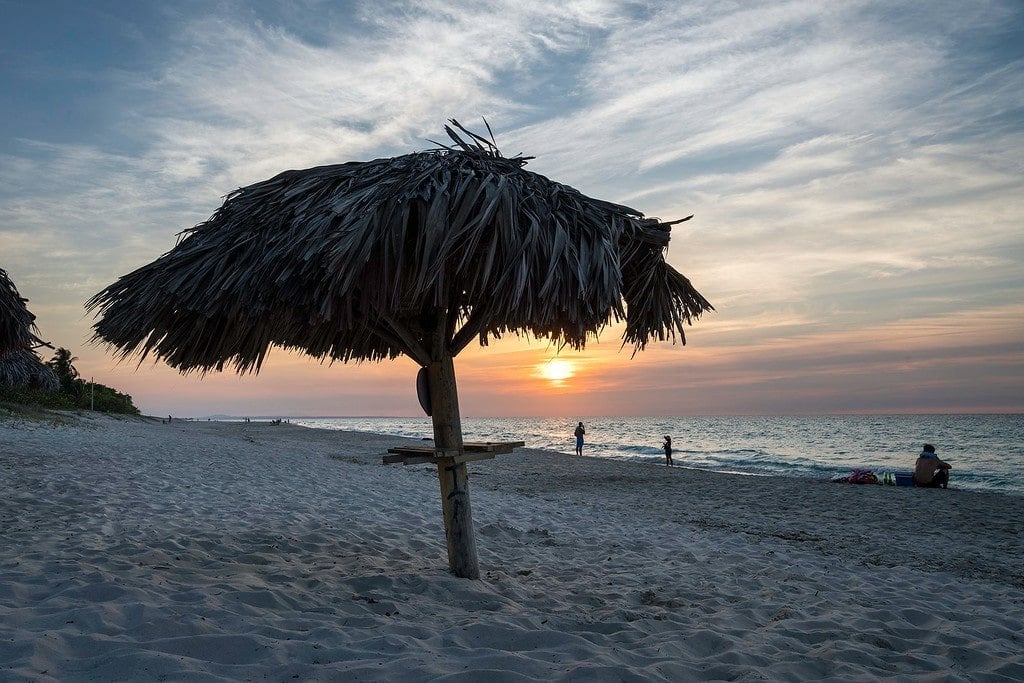
5. 🌊 Add Playa Ancon so the trip does not stay trapped in the center
Playa Ancon gives the stay some breathing space. Located only a few miles from town, it lets you break away from stone streets and colonial facades for a completely different coastal atmosphere.
The source presents it as an easy outing, which is exactly why it fits well. Vintage taxi, bicycle, or other simple local transport options make it possible to reach the beach without turning the day into a major logistical project.
The point is not only the beach itself, but the contrast it creates. After museums, plazas, and walking in heat, the sea resets the trip with more open space, softer light, and a simpler use of time.
For a first stay in Trinidad, even half a day there can help rebalance the visit. It stops the city from becoming a purely colonial experience and adds a beach layer that feels very natural in Cuba.
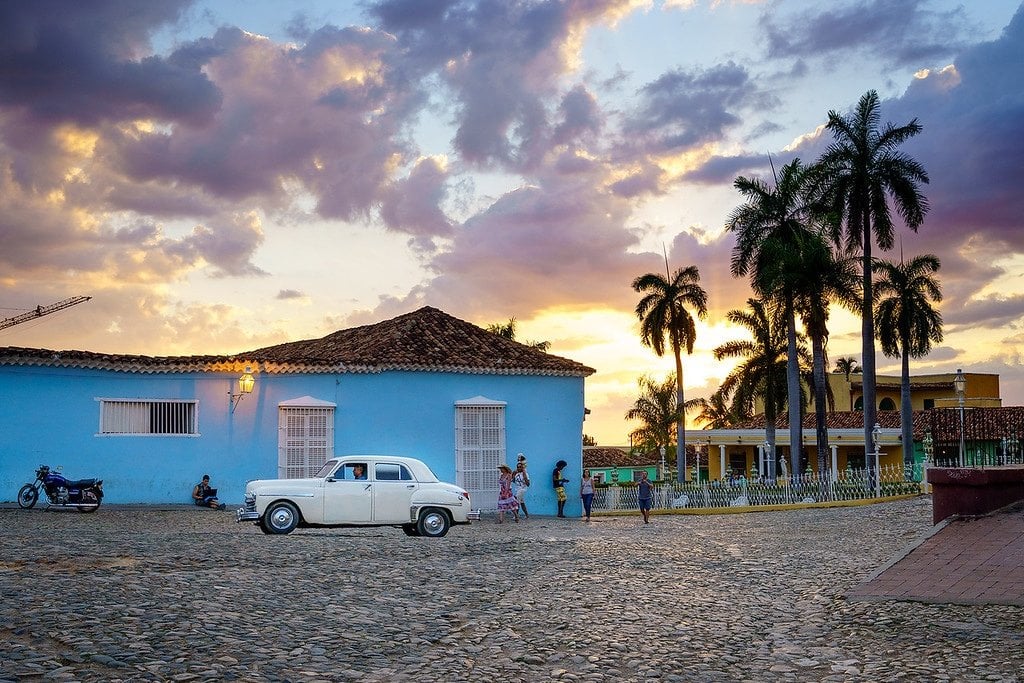
6. 🎶 In the evening, Trinidad makes sense through music too
In the evening, Casa de la Musica comes back as one of the most useful places to understand Trinidad differently. The source describes a very simple scene that works perfectly: sit on the steps, order a drink, and watch salsa take over as the sun goes down.
This is not just tourist entertainment. Music is clearly part of how the city should be read. Trinidad is not only about its architecture, but also about how public space becomes social space at night.
That evening pause also creates a very natural ending to a hot day of walking. You move from observation to participation without needing a complicated plan.
If you want to go further, the article also mentions Disco Ayala inside a cave. Even if you do not treat it as essential, it reinforces the idea that Trinidad offers more than a daytime colonial backdrop.
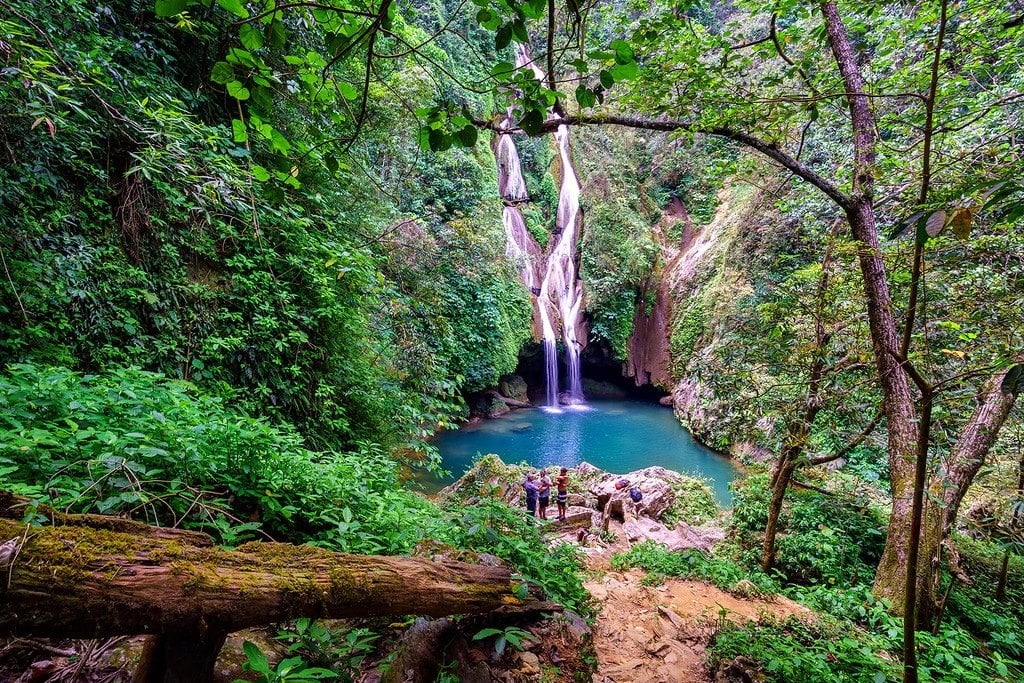
7. 🐎 Leave town: horseback riding, mountains, and waterfalls
One of the strongest points in the source article is how clearly it shows that Trinidad should not be limited to the town itself. The surroundings offer a completely different side of the region, especially through horseback riding and trips into the Escambray mountains.
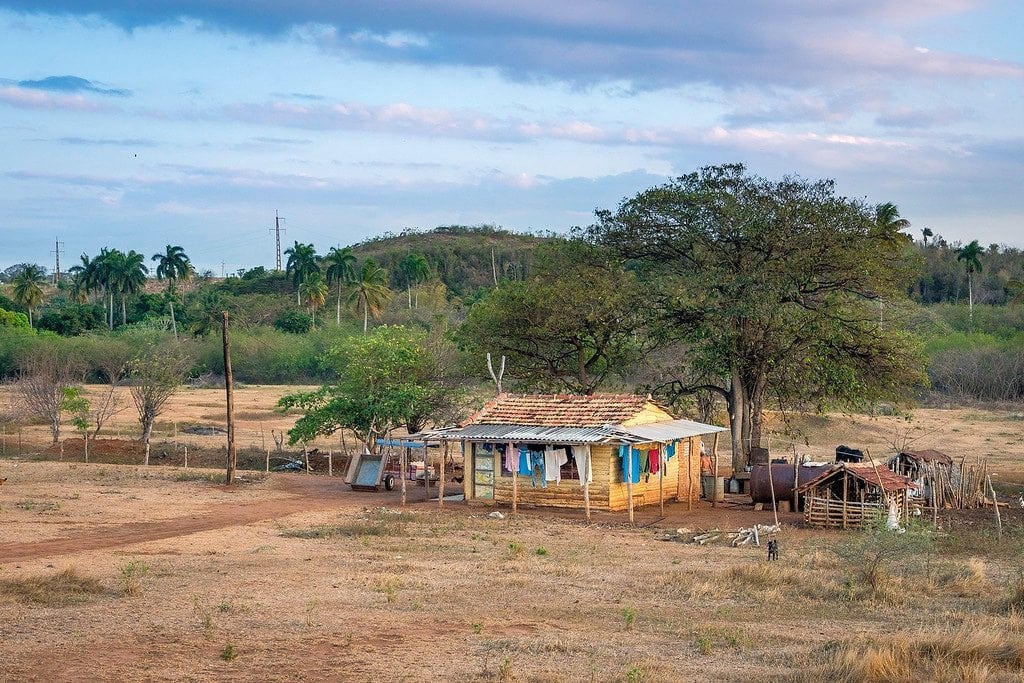
The horseback ride is presented as something that can be arranged fairly casually, which says a lot about the local relationship with the landscape. You leave the city quickly and move into farms, dry hills, forested sections, and swimming spots.
Topes de Collantes is the real nature chapter of the stay. Hiking, waterfalls, mountain roads, and cool water change the tone of the trip completely. That is exactly why it is valuable after the heavy visual identity of the old town.
For anyone staying longer than two nights, this part becomes close to essential. It turns Trinidad from a beautiful colonial stop into a more complete culture-and-nature destination.
8. 🚂 Valle de los Ingenios, access, and where to stay
Valle de los Ingenios adds the historical layer that is easy to miss if you stay only in the center. The source reminds readers that Trinidad's wealth was tied directly to sugar production, plantations, mills, and a deeply exploitative labor system built on slavery.
That means the valley is not just an optional excursion. It is part of understanding what made Trinidad rich in the first place. Visiting it gives the city a fuller historical frame instead of leaving it as a beautiful but disconnected colonial setting.
Logistically, the article gives simple useful references: around five hours from Havana by car, longer by bus, or other shared transport options. Those details help place Trinidad correctly inside a broader Cuba itinerary.
As for accommodation, the logic is straightforward: choose a well-located casa particular or simple hotel base that makes walking easy and transport manageable. In Trinidad, practical position matters more than luxury.
Trinidad works especially well over two or three days if you refuse to reduce it to Plaza Mayor alone. The best balance is to combine the historic core, evening music, one beach or nature outing, and a few historical anchors that explain what the city really represents. That mix is what makes it a strong Cuba stop.
To plan Trinidad, Cuba with a group without losing track of ideas, WeTrips helps centralize places to see, compare options, and keep the final plan organized.