
What to do in Chongqing: must-sees, neighborhoods, and practical tips
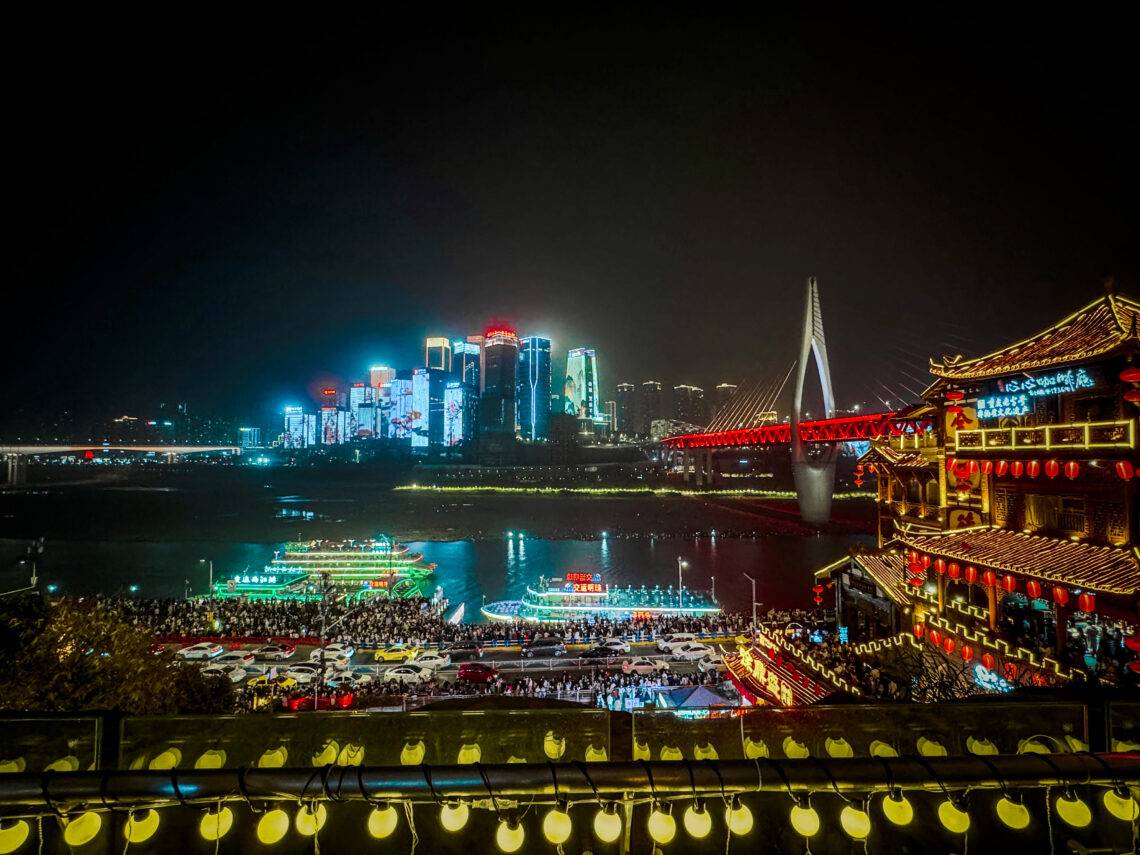
Chongqing is not a standard Chinese city. Built across multiple levels, shaped by dramatic terrain, and famous for surreal metro and skyline scenes, it benefits from a more structured reading before you visit. Here is a practical version of the most useful points to keep in mind.

1. Understand Chongqing before you arrive 🌆
Chongqing is striking because it does not behave like a flat, easily readable metropolis. The city is built across hills, cliffs, and stacked circulation levels. In some places, you may feel like you are standing at ground level only to realize that roads or rivers sit dozens of meters below.
That vertical geography explains much of Chongqing's viral reputation. Squares appear suspended, roads overlap, metro lines pass through dense building clusters, and urban layers stack on top of one another instead of simply intersecting.
Before listing individual sights, it helps to understand that Chongqing is as much an urban experience as it is a collection of attractions. You do not go only for one monument; you go to observe how a megacity has been shaped by terrain.
For a first stay, focusing on Yuzhong district is the simplest approach. It gives you access to several headline spots while keeping the visit more legible in a city that can otherwise feel overwhelming.
2. What makes Chongqing so unusual 🏙️
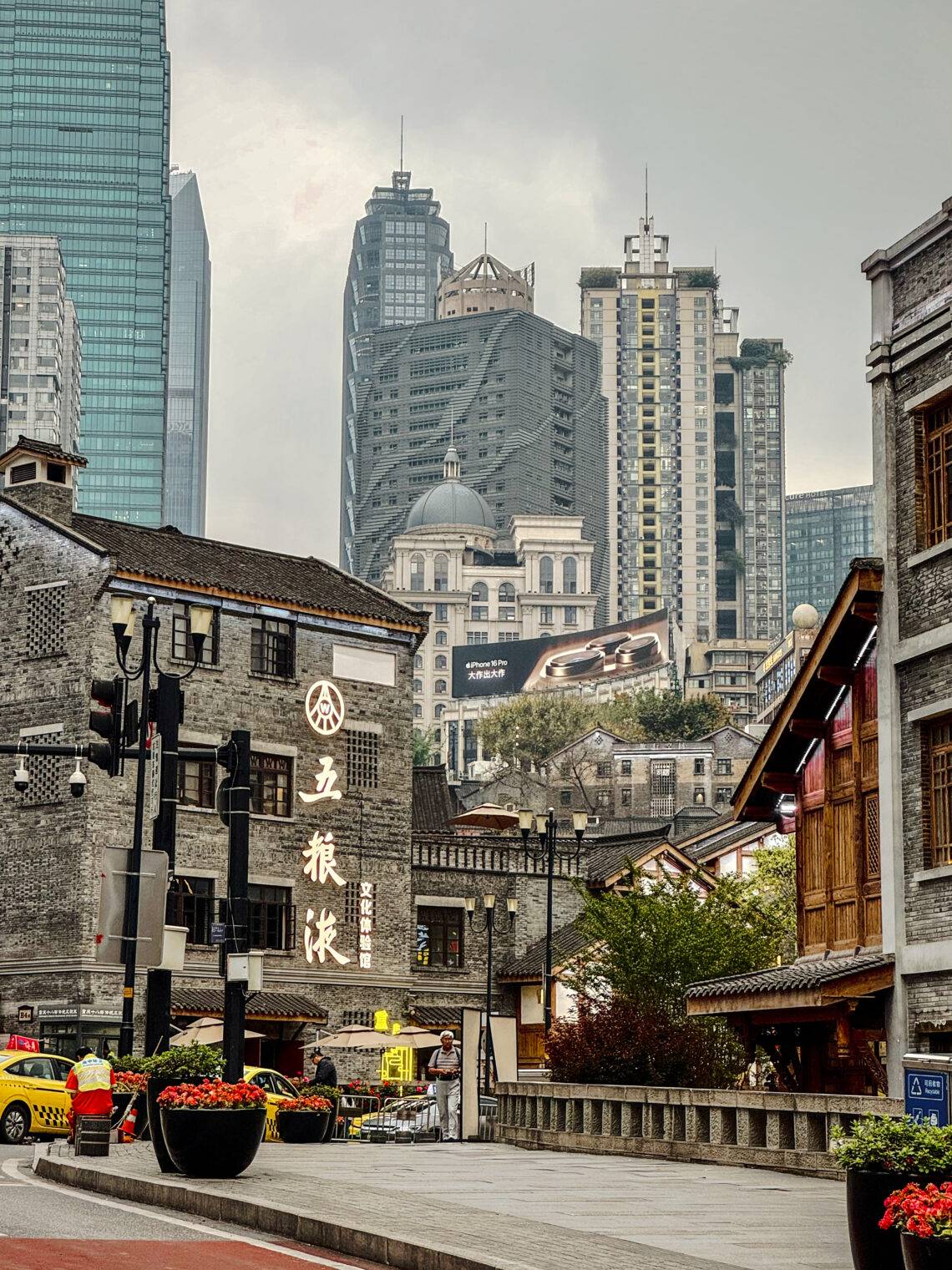
Chongqing's main singularity is its multi-level urbanism. In some neighborhoods, streets overlap, stairways connect platforms, and public elevators are part of daily circulation. That can feel confusing at first, but it is also what gives the city its strong identity.
This layout creates a very different atmosphere from other major cities. Elevated metro lines, interchanges, tightly packed buildings, and constant elevation changes combine into the kind of neo-futuristic, almost cyberpunk scenery that made Chongqing famous online.
That is also why the city is harder to improvise than it looks. Distances can be misleading, routes take longer than expected, and even a short crossing may involve stairs, detours, or a sudden change of level.
If you enjoy spectacular cities, oversized infrastructure, and intense urban atmospheres, this is exactly what makes Chongqing interesting. If you are mainly looking for quieter heritage travel, it is better to know that before adding it to a China itinerary.
3. The central areas worth prioritizing first 📍
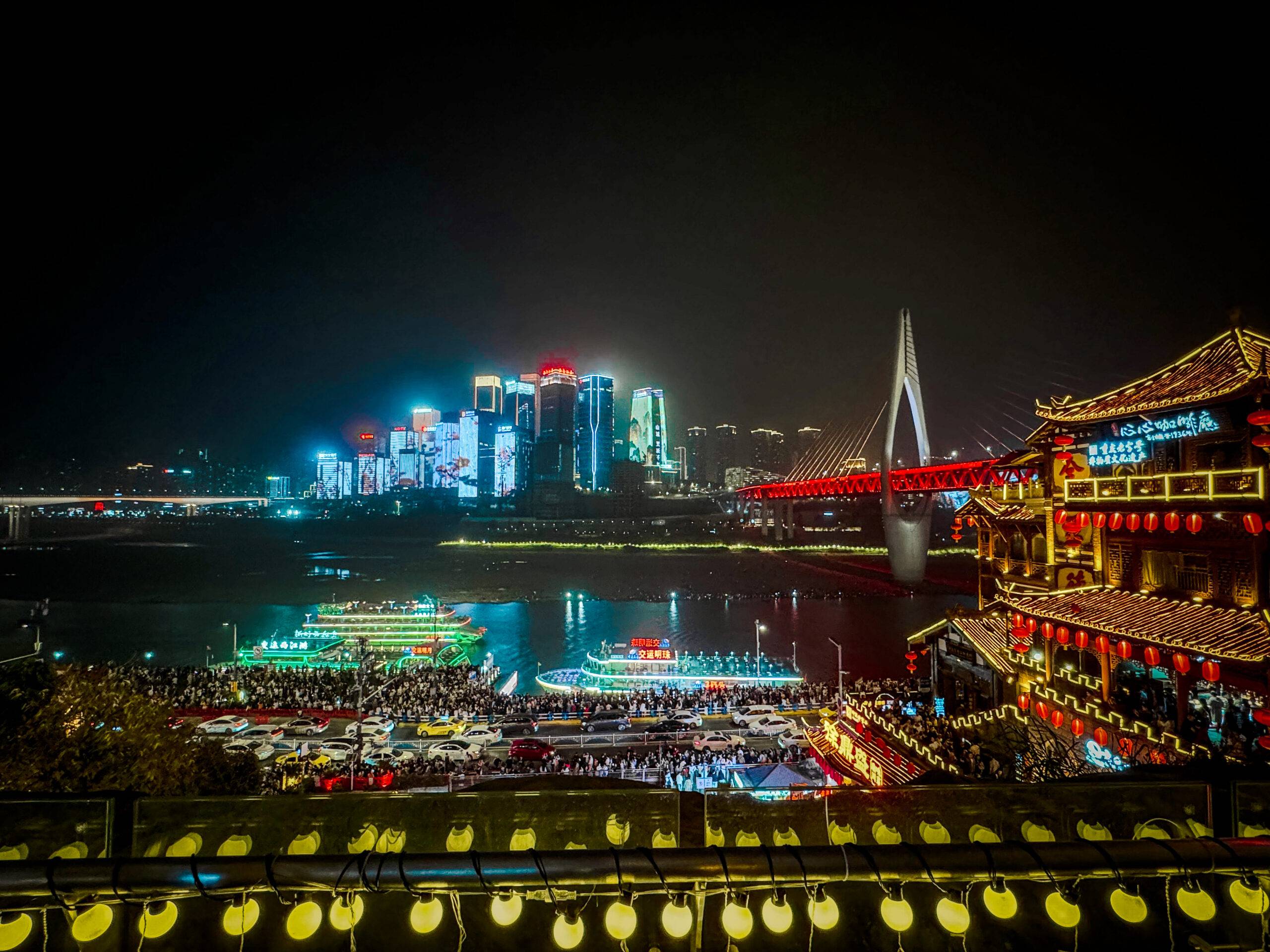
For a first visit, Hongyadong is close to unavoidable. The site is known for its stilt-house architecture clinging to the cliff and for its illuminated atmosphere after dark. It is as much about mood as it is about sightseeing.
Shancheng Steps are another strong entry point into old Chongqing. The route of lanes, stairs, and viewpoints lets you feel the city on foot rather than only from famous lookouts. It is also a good way to understand how neighborhoods fit together between relief and modernity.
Shibati also deserves a place in a short itinerary. It gives a readable glimpse of older Chongqing within a much more modern environment. Even if some areas feel curated, the contrast between historical texture and surrounding towers remains meaningful.
Jiefangbei is useful as a practical anchor. It may not be the most atmospheric place in the city, but it helps you orient yourself in Yuzhong and observe Chongqing's commercial energy in everyday conditions.
4. The viral spots and the city's most recognizable images 🎥
Kuixinglou Square became widely known because of its visual illusion: at first glance, it looks like a normal public square, until the drop below suddenly reveals how elevated it really is. It captures Chongqing's relationship with layered space perfectly.
Liziba Station is the other iconic image. The metro passing directly through a residential building summarizes the city's stacked logic in one shot. It is touristy, but still useful if you want to understand why Chongqing circulates so strongly online.
Raffles City and the Crystal Skybridge add another layer to this futuristic reading. The complex may not represent the most authentic side of Chongqing, but it does show the city's appetite for large-scale architecture and engineered spectacle.
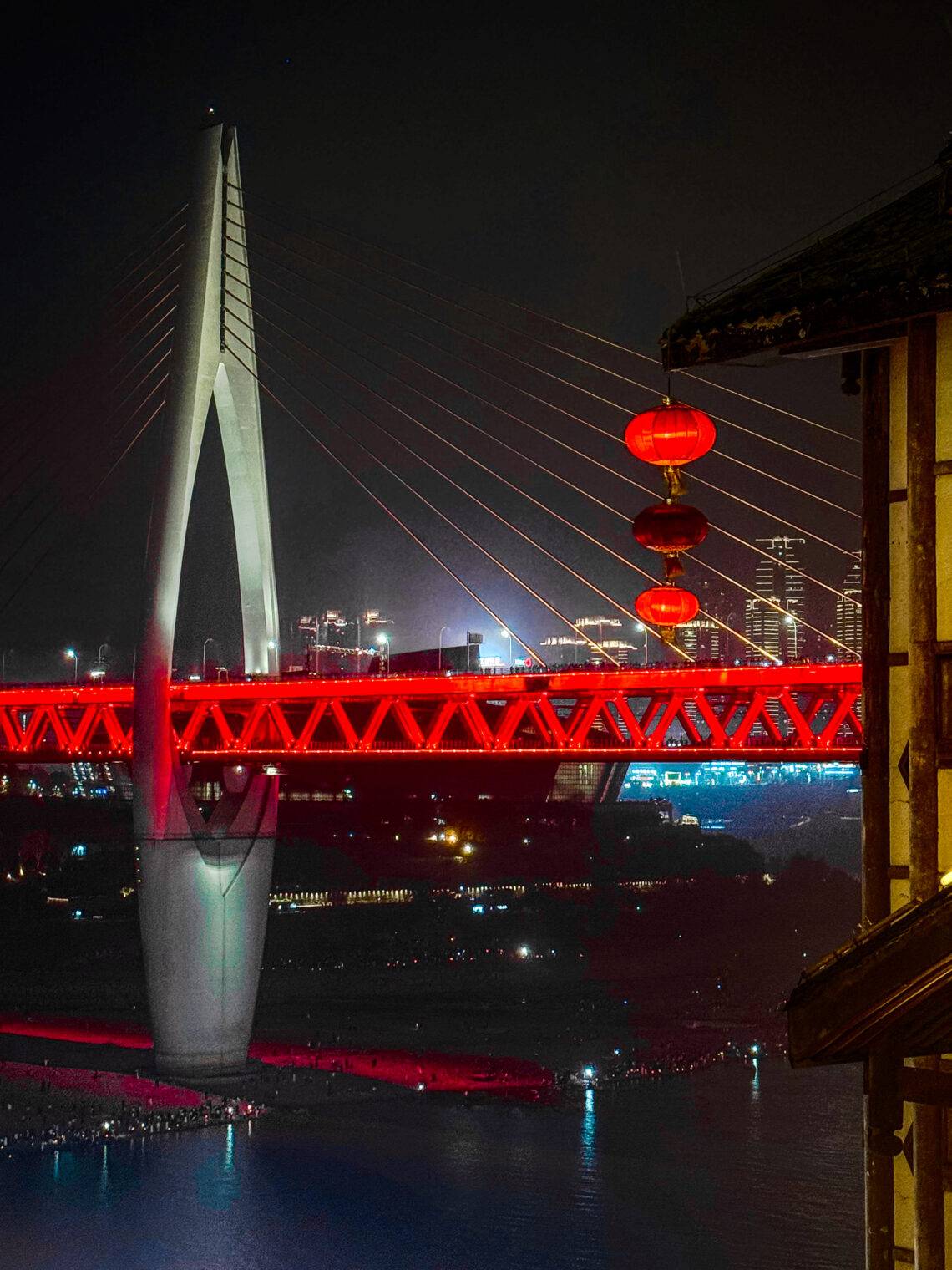
The key is not to visit these places only to reproduce a photo. They become more interesting when read together as part of a wider system: terrain, bridges, metro, platforms, and the constant overlap between infrastructure and daily life.
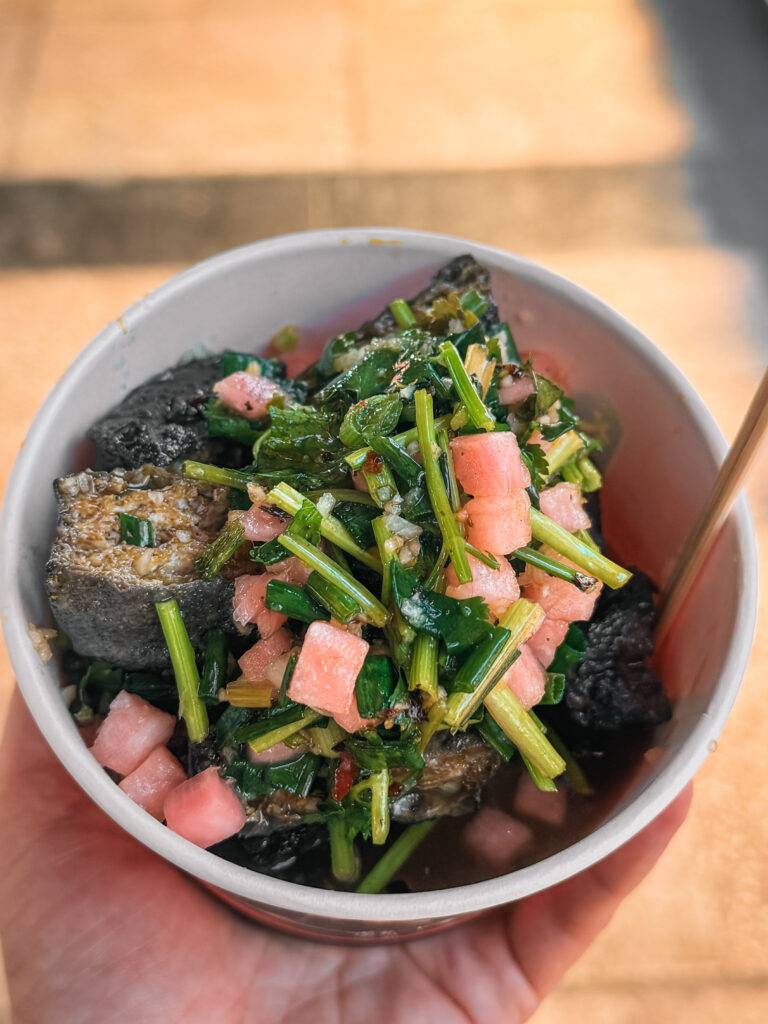
5. What should you eat in Chongqing? 🍜
Chongqing is best known for hot pot, one of the most intense spicy broth traditions in China. The combination of chili oil, Sichuan pepper, and aromatic spices makes it one of the city's most emblematic food experiences.
Chongqing noodles are another essential local reference. They are accessible, often inexpensive, and give a useful sense of everyday eating in the city. They work well when you want something quick without turning the meal into a whole event.
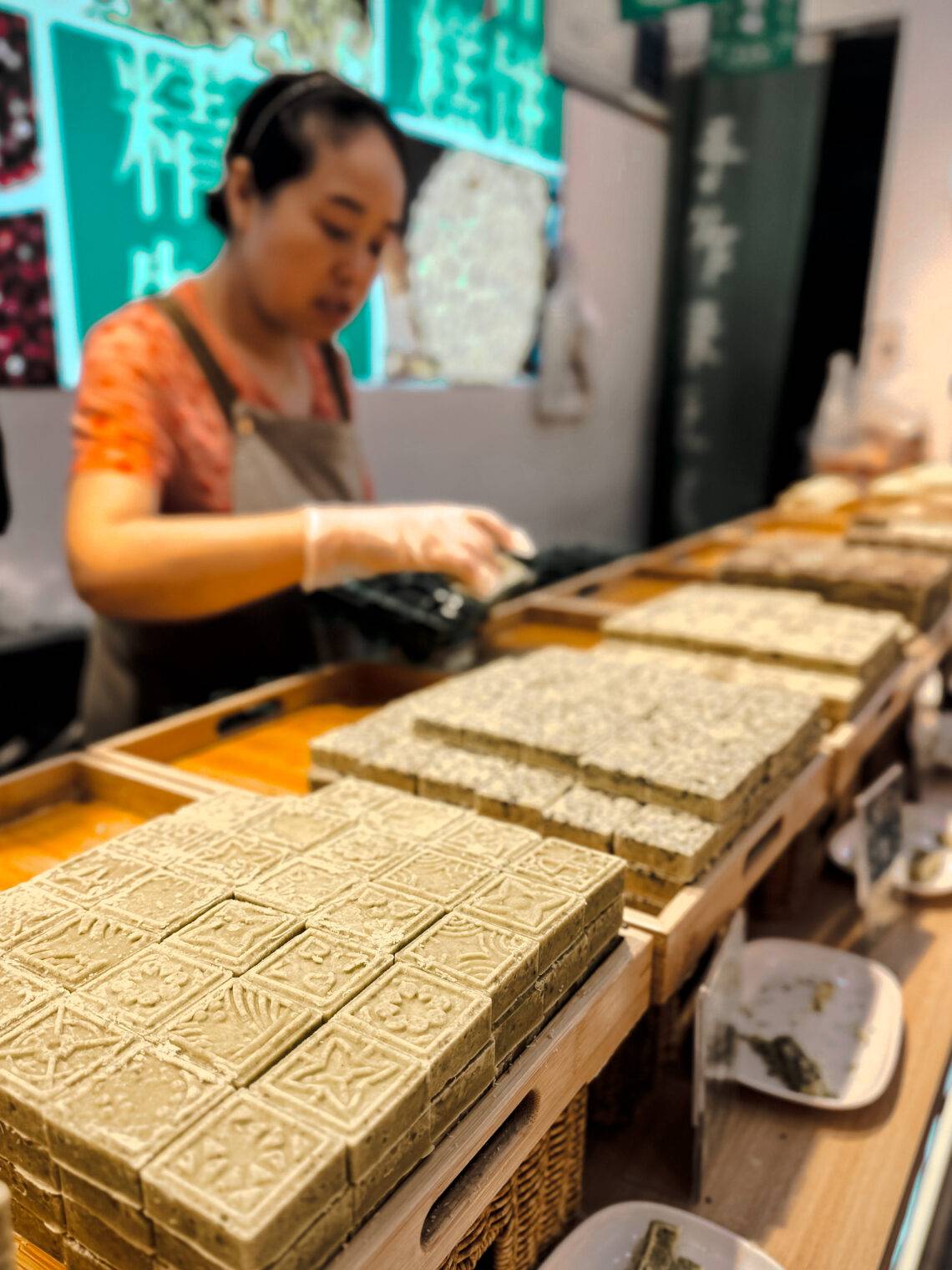
The source article also highlights more unusual specialties such as stinky tofu, mung bean cakes, and sweet soups. These are not necessarily the dishes everyone will love, but they are exactly the kind of discoveries that make the city memorable if you enjoy exploring street food culture.
The useful takeaway is simple: in Chongqing, food is not secondary to the trip. It is part of the experience. Leaving time to taste, compare, and test different formats between stalls, casual places, and restaurants makes the visit richer.
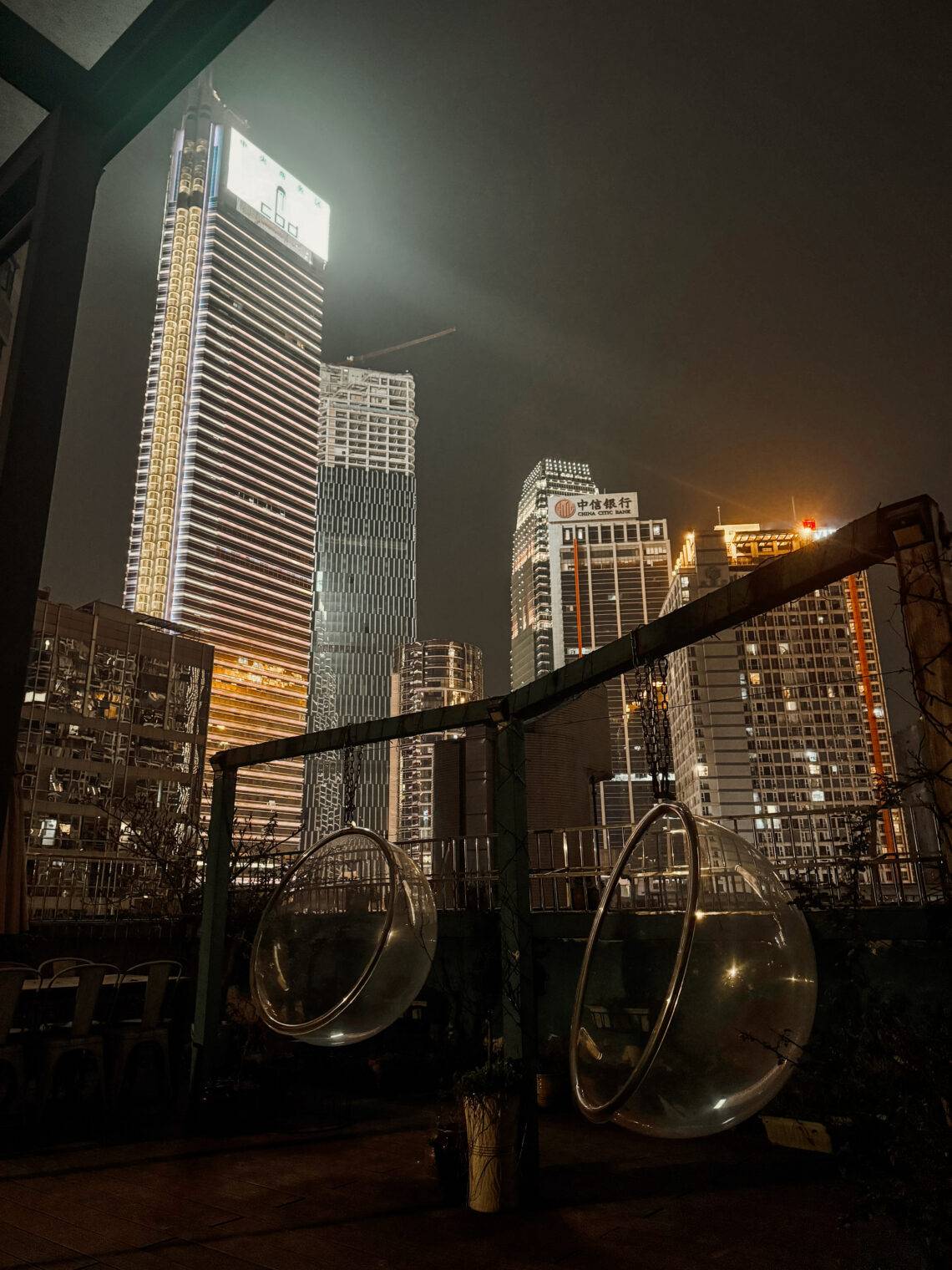
6. Where to stay to make the city easier to visit 🛏️
For a first stay, Yuzhong district remains the simplest base. It makes access to several key places easier, reduces some transfer times, and gives you a more coherent anchor inside a city that can otherwise feel very spread out.
The source mentions a hostel near Kuixinglou Square, within walking distance of Jiefangbei, Shancheng Steps, and Hongyadong. Even if you do not choose that exact place, the logic is strong: prioritize location over a slightly cheaper but badly placed room.
In Chongqing, the neighborhood matters almost as much as the room itself. A well-positioned base close to metro access and a few reliable landmarks will simplify your days far more than a nicer property in the wrong area.
If your budget is tight, hostels remain very affordable. If you prefer hotels, do not compromise too much on position, because poor logistics in Chongqing quickly cost time and energy.
7. Practical information before the trip 🎒
According to the source article, as of March 11, 2026, French passport holders can travel to China without a visa until December 31, 2026. That is useful, but it should still be verified at booking time because rules can change.
Season matters. Chongqing is known for very hot and very humid summers, so spring and autumn remain the most comfortable windows if you want to walk extensively and enjoy outdoor viewpoints without too much heat pressure.
Access is straightforward by air, whether through domestic connections or broader China routes. Once in the city, the metro is generally the best option. Chongqing is huge, but the network helps avoid part of the traffic and is usually more efficient than taxis.
Internet access should also be anticipated. In China, it is usually more comfortable to prepare an eSIM and a VPN solution before departure instead of improvising once you arrive. It is a small logistical detail with a real impact on orientation, payments, and general travel comfort.
8. Budget and an honest take on whether Chongqing is worth it 💸
Based on the source, Chongqing remains relatively affordable despite its scale. Budget travelers can still find very cheap hostel beds, while street food and simple meals stay accessible. That makes the city a viable stop during a longer China trip without breaking your budget.
At the same time, the city is not universally appealing. The source author is very clear that Chongqing can fascinate travelers who love giant modern metropolises, oversized urbanism, and skyline-driven experiences, while leaving calmer or more nature-focused travelers more mixed.
That is probably the right way to frame the city: not as an essential stop for everyone, but as a strong destination for a specific profile. If you enjoy unusual urban experiences, it can become a highlight. If you are easily overwhelmed by noise, density, and constant stimulation, it may become tiring quickly.
In short, Chongqing is worth it if you accept its intensity. It works best when approached as a singular urban experience rather than a conventional monument checklist.
Chongqing will not appeal to every traveler, and that is exactly what makes it interesting. For visitors drawn to dramatic megacities, layered infrastructure, and futuristic urban atmospheres, it is a strong stop in China. With the right base and a few practical anchors, the city becomes much easier to navigate.
To organize Chongqing as a group more clearly, WeTrips helps centralize options, budget, and trip decisions in one place.